
Please share!
- You are here:
- Home »
- Thoughts »
- Why say no to plastic?
Why say no to plastic?
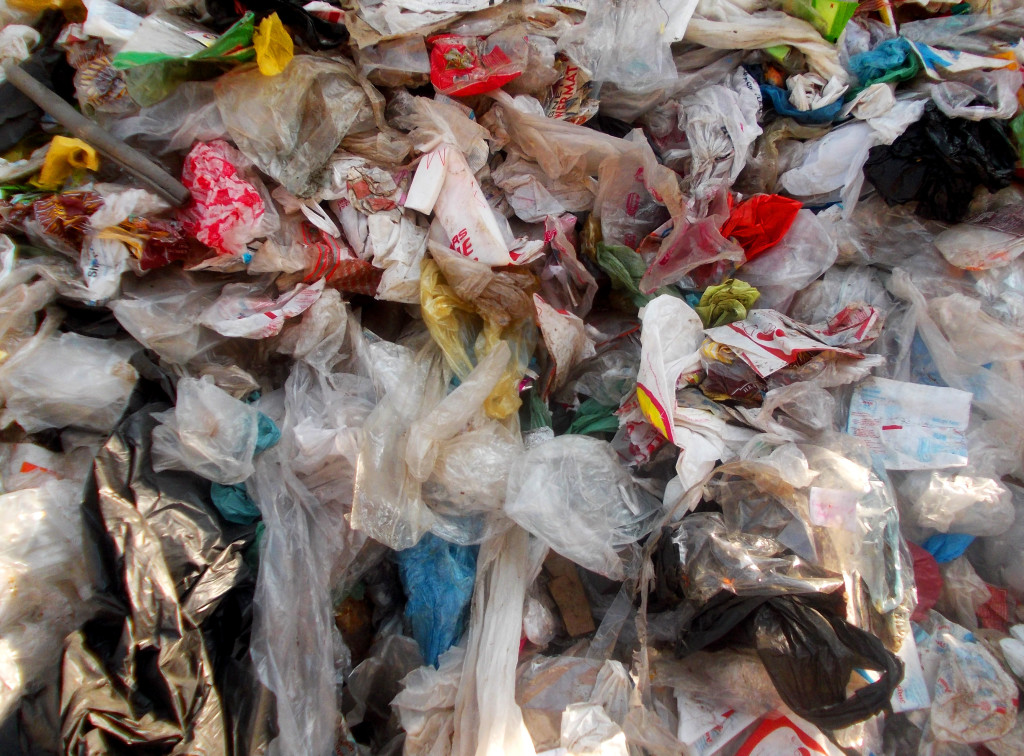
There are a lot of things that you could do to lead a ‘green’ life and be kinder to our planet. Thinking about it all at once can make your brain explode! Plastic is something that has been at the fore front of eco discussion for a while now. I’ve found one person who can help, but more about her later..
You’re scrambling my brain!
Living in an eco-friendly way can be a very overwhelming thought. Should you buy fair trade? Organic? Local? Shipped by air or train or lorry? Is plastic ok at all? Do I need to give up my car/job/leisure pursuits? Do I need to be a vegan to live an eco friendly life?! And..breathe! The good news is, it’s ok to just think about one.thing.at.a.time!
Common sense, plastic and toddlers
Without knowing any facts or figures, most people would probably say it would be a good idea to put less stuff in the bin. You might even know that plastic isn’t very good for the environment. So why not start here?
My blog explores some alternatives to plastic stuff..the everyday stuff that you might need to live as an individual, couple, or family with small children (like our family). We have a baby and a toddler. Life with small children is hard at the best of times! Toys are bought and chucked like ‘there is no tomorrow’. Unfortunately, this cannot go on.
There is a tomorrow, and it would be good to leave our children a world that is more than just a rubbish dump. I am here to help! Check out my ‘rooms’ to see what you can do today to start along your own journey to a greener life.
Beth Terry is your American friend!
I’m not an academic, I’m wouldn’t call myself an intellectual and I don’t have endless time to spend researching the ins and outs of why everyone should be striving to live a more eco-friendly life. However, there are plenty of people out there on the web who will be able to answer all your questions!
One area of interest for me is living with less plastic. This was confirmed when I found Beth Terry’s blog and the info she has on it. Beth Terry is now known as somewhat of an expert in the area of living a plastic free life, you should go check out her blog. Her blog is inspiring and encouraging, and nowhere on it does she condone having a guilt complex over your carbon footprint!
Beth Terry on plastic
Beth Terry has written a comprehensive article on the problem with plastic. The article explores the truth behind how plastic begins its life, how it is transported, made into things, and what happens (or doesn’t happen) when it is thrown away. Some harrowing reading at times, but worth it to help spur you on to work together for the greater good of our world.
Beware code 7, look for it on your plastic products!
Code 7:
Code 7 is a grab bag. It includes polycarbonate, a plastic made from BPA, a harmful synthetic estrogen. Manufacturers use polycarbonate to make five-gallon water bottles, sports bottles, clear plastic cutlery or the lining of metal food cans. (Source Healthy Child)
So if your bottle states ‘7’ on the plastic anywhere, it may contain BPA, so it would be best to avoid it for that reason.
I have also learned that heating plastic up is generally not a good idea – as harmful chemicals can leach out into our food and environment from heat applied, which includes heating up in a microwave or dishwasher. I came across a website that seems to have trust worthy information about microwaving plastic:
There’s no single substance called “plastic.” That term covers many materials made from an array of organic and inorganic compounds. Substances are often added to plastic to help shape or stabilize it. Two of these plasticizers are
- bisphenol-A (BPA), added to make clear, hard plastic
- phthalates, added to make plastic soft and flexible
BPA and phthalates are believed to be “endocrine disrupters.” These are substances that mimic human hormones, and not for the good.
When food is wrapped in plastic or placed in a plastic container and microwaved, BPA and phthalates may leak into the food. Any migration is likely to be greater with fatty foods such as meats and cheeses than with other foods. (Source Harvard Medical School)
If you want to find out more information about heating plastic, check out this Harvard Medical page. However, this is only one website, only one bit of research. Other websites seem to have slightly different advice, no one seems to truly agree on plastics and their effects on health because, quite simply, not enough research has been done. Plastic has not been around long enough for us to have a true idea of the consequences of using plastic.
A few pieces of useful advice from Harvard Medical School:
- Most takeout containers, water bottles, and plastic tubs or jars made to hold margarine, yogurt, whipped topping, and foods such as cream cheese, mayonnaise, and mustard are not microwave-safe.
- Microwavable takeout dinner trays are formulated for one-time use only and will say so on the package.
- Old, scratched, or cracked containers, or those that have been microwaved many times, may leach out more plasticizers.
In Beth Terry’s Ted Talk she outlines 8 reasons why she had to give up plastic, all of which I can echo. A picture of a dead albatross filled with plastic waste that it had mistakenly eaten sparked Beth’s plastic free life, a similar picture of dead sea creatures made me think again.
Here are Beth’s 8 points about why you should change your plastic habits:
- We need to stop doing harm to the world and it’s creatures
- We should stop doing harm to your health. Plastics can leach out nasty chemicals (dioxins, perfluorochemicals, phthalates, bisphenol-A).
- We should start supporting ethical businesses as an alternative to plastic producers
- We need to start developing ingenuity and self-reliance. Learning to make and fix things grows character and confidence! Borrow/share or repurpose to help build your local community
- Examine your values. How important are certain things to your life? Are you reliant on them..are they things that will genuinely make you happy or do you want them just because other people have them? Things that make you happy can be cost-free and plastic-free!
- We can help companies be greener..just by asking! What you don’t ask for, you don’t get, so why not ask today? Beth has successfully managed to get one company change from plastic to cardboard packaging, and another to recycle in America what they already recycled in Europe. Just by asking, and a little bit of determination!
- Personal change can lead to change on a national level (what Beth calls ‘systemic change’). Imagine a world where all companies had to have more responsibility for the resources they used and produced, and we used our consumer power to force the big businesses to be kinder to the environment!
- We can be an example. We can influence our families, friends, and anyone we come into contact with! Already, my husband and I have had several really interesting conversations at the supermarket about our use of Onya Bags. One lady was chuffed to be able to tell her daughter – at school and on an eco committee – about them!
